
Most dogs leave the house wearing something around the neck, the chest, or both. A flat collar is simple for ID tags and a short, polite walk on a loose leash. A well-fitted harness spreads pressure across the chest and ribs and is a common choice for dogs that pull, have a neck or throat concern their veterinarian has flagged, or slip out of a collar. Neither tool trains a dog by itself, and a poorly fitted harness can chafe or twist just as a tight collar can be a bad idea.
This comparison covers everyday walking gear, not hunting equipment or a full training curriculum. It does not invent escape statistics or claim that one style is “vet approved” for every dog. For car travel, a walking harness is not automatically a crash-tested car restraint; see travel gear for pets. For everyday products we researched, see Best Pet Products of 2026.
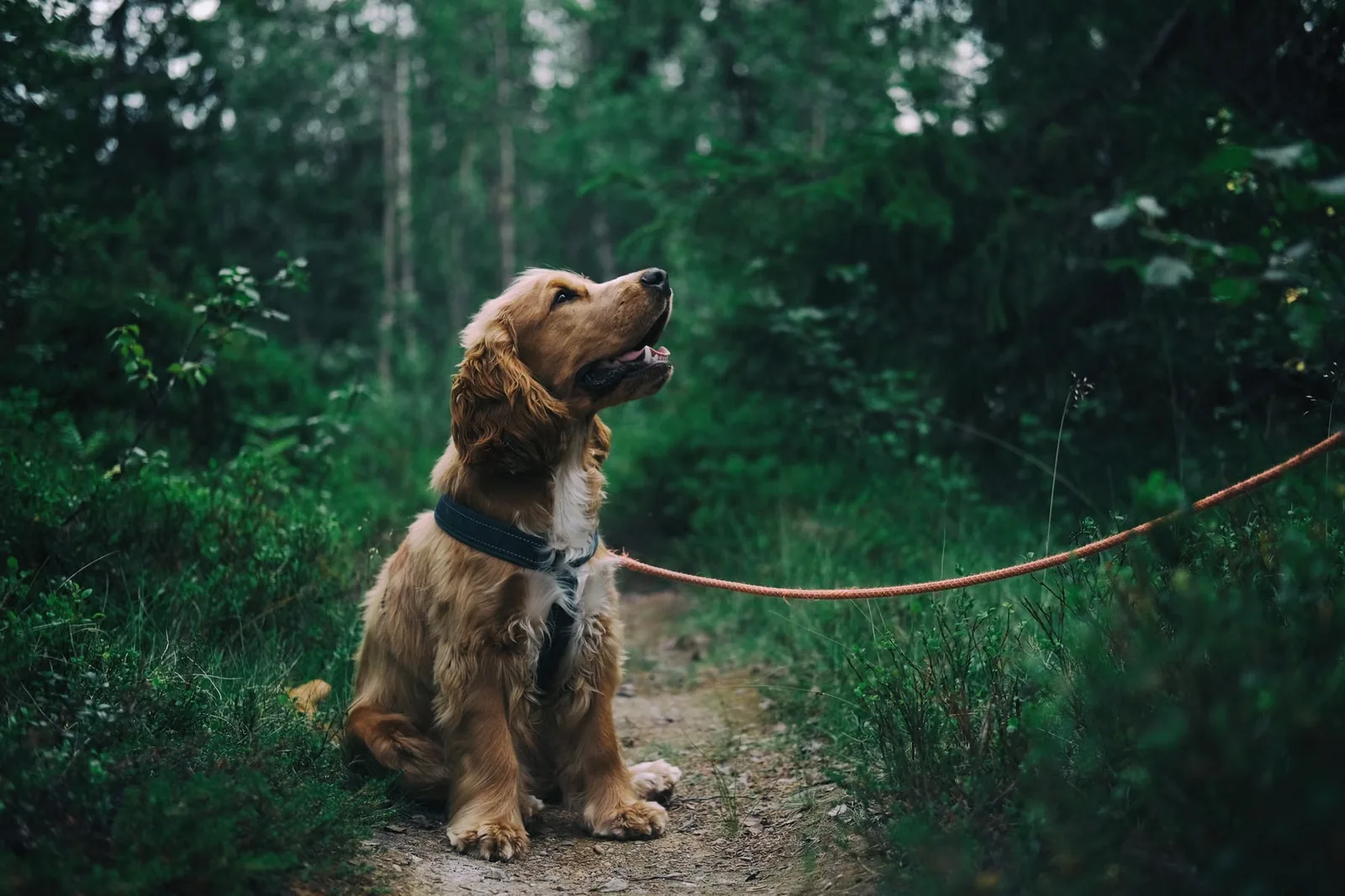
What a collar is still for
A collar is a practical place for identification: a tag with a current phone number, and a license or rabies tag where those are required. Even a dog that walks in a harness should usually have a way to be identified if the harness is off in the house or if the leash is clipped to the other piece of gear. Microchips matter too; a tag is still the thing a neighbor can read immediately.
A flat, well-fitted collar can be a fine everyday walking tool for a dog that does not put heavy, sustained pressure into the leash. “Well-fitted” means you can slip two fingers under the collar, it cannot slide off over the ears, and it is not a constant tight band. Hair, skin folds, and growing puppies need more frequent checks.
Collars that tighten under pressure (slip, choke, or prong styles) are a training-tool discussion you should have with a qualified trainer or veterinarian, not something this guide will prescribe. If your dog coughs, gags, or has a medical reason to avoid neck pressure, ask the veterinarian before you lean on a neck lead.
What a harness is for — and how fit actually works
A walking harness is meant to hold the dog at the chest and shoulders (and, on some designs, the back) so a leash tug is not concentrated on the throat. Styles include step-in, over-the-head, Y-shaped front, and designs with a front clip, a back clip, or both.
Fit is the product. A harness that rides up into the armpits, sits on the soft throat, or leaves enough slack for the dog to back out is the wrong size or the wrong pattern, even if the brand is popular. Check:
- The neck opening does not press on the windpipe.
- Straps do not rub bare skin raw under the legs after a short walk (look when you get home).
- The girth strap sits behind the armpits, snug enough that the dog cannot step out, not so tight that it pinches.
- You can still see a natural gait. A harness that ties the shoulders together can change how the dog moves.
Put the harness on at home and let the dog walk around before you go out. Adjust again after a few minutes; some fabrics loosen slightly. Recheck after a coat clip or a weight change.
Front-clip harnesses are often used with dogs that pull, because a forward leash attachment can make it harder to plow straight ahead. They are not a guarantee, and they can still be unscrewed by a determined puller if the rest of the training is “lean and go.” Back-clip designs are simple and can be easier to put on; they may feel more like a collar for a strong puller. A dual-clip harness lets you experiment. Pair any of them with teaching a loose-leash skill, not only with stronger hardware.
Using both, and what not to clip together carelessly
Many households use both: collar for tags, harness for the leash. That is reasonable. If you clip a leash to both at once, understand what happens if the dog lunges — you can create odd angles or a tangle. Follow the official hardware advice, and do not clip a walking harness to a seat belt and call it a car safety plan unless that product is specifically a crash-tested car harness used as directed.
For travel, a carrier or a crash-tested restraint is a different job than a park walk. Do not assume the walking gear is rated for a crash.
Puppies outgrow harnesses quickly. A too-large harness is an escape path. Recheck fit every couple of weeks during a growth spurt, and do not buy a huge “they’ll grow into it” size for daily walks.
Skin, coat, and reluctant wearers
Short-coated dogs show chafing sooner. Long-coated dogs can hide a twist or a mat under a strap. Check the skin on a regular schedule, and do not leave a tight harness on all day in the house unless there is a specific reason and the fit is kind. A damp harness left on can irritate skin; dry it.
If a dog freezes, rolls, or bites at a new harness, the issue may be fit, a past snag, or simply novelty. Pair putting it on with something the dog already likes, keep sessions short, and do not force a poorly adjusted tangle over the dog’s head. Grooming tools the same way: slower is faster.
A short decision guide
- Keep ID on the dog, usually on a comfortable collar, even if you walk on a harness.
- If the dog pulls, has a neck concern your veterinarian has mentioned, or slips collars, prioritize a well-fitted walking harness and a plan for loose-leash skills.
- Fit the harness to this dog’s chest shape, not to a breed nickname on a size chart alone.
- Inspect skin and straps often, and replace chewed or frayed gear.
- Use separate, appropriately rated gear in the car.
Walking gear should be boring: on, adjusted, off, no sores, dog still wants to go out. When you are also shopping beds, feeders, or travel restraints, Best Pet Products of 2026 lists researched options; a harness still has to be fitted in your hallway, not only in a photo.